Vikings: War of Clans PvP
Plarium LLCStrategy
4.440.12K Reviews
- Version
- 7.0.6.1114
- Installs
- 10.00M
- Age Rating
- Teen
Screenshots
Our Review of Vikings: War of Clans PvP
 Analysis by Appyee
I like to know what I’m committing to before I settle into a long-running strategy game, and the cost is a sensible place to start. Vikings: War of Clans is free to download, while optional in-app purchases range from $0.99 to $199.99 per item. That makes it possible to try the core game without paying, but it also means the purchase range deserves a careful look before you spend. I would treat any purchase as optional convenience or progression support, not as an entry fee that guarantees a better experience.
For me, the best way to judge whether it offers value is to play at a pace that suits my routine before considering extras. A free strategy game can still ask for time and attention, and this one is built around developing a settlement and competing in a social world. If you enjoy checking in, planning your next move, and coordinating with other players, that ongoing involvement may be the main thing you value. If you want a short, self-contained game that feels complete after a few sessions, the format is a weaker fit.
What you get without paying
The central appeal is the combination of town growth, resource management, troop preparation, and player conflict. Those systems give me several kinds of decisions to think about rather than one repeated puzzle: what to improve, what to save, and when to put a plan into action. The social side also matters, because a clan can turn a solitary base-building routine into a shared goal. I’d start by learning the rhythm of those activities and only then decide whether spending money would make my own play more enjoyable.
That distinction is important because free access and paid value are not the same question. I can recommend trying the game at no cost to see whether its style clicks, but I wouldn’t assume that buying an item is necessary or that it removes every source of friction. The high end of the listed purchase range is substantial, so I’d set a personal limit before browsing optional items, especially if I’m prone to making small purchases that add up. The value depends on what an item actually changes for you and how much you enjoy the game already.
Where the routine can feel demanding
This is not the kind of strategy game I’d choose when I want every session to offer a clean beginning and ending. Town development and player interaction encourage a longer relationship with the game, which can be satisfying but also makes it easier for play to occupy more of my day than intended. I’d keep notifications and check-ins within boundaries that feel comfortable, and I’d avoid treating every clan request as an obligation. A game should fit around real life, not turn a casual hobby into a schedule I resent.
The multiplayer emphasis also changes the experience. A clan can provide advice and shared purpose, but it means the game is less appealing if I want to avoid coordinating with strangers or prefer to make every decision alone. I’d look for a group whose expectations match my availability rather than joining the first one I see. That small choice can make the social layer feel welcoming instead of like another demand on my time.
Who is likely to get the most from it?
I’d point this toward players who enjoy gradual planning, watching a base develop, and talking through strategy with other people. It may suit someone who likes a persistent online world more than a campaign that ends after a fixed sequence of missions. The Teen content rating is also useful context for families deciding whether the game fits a younger player, though I’d still discuss online interaction and optional purchases rather than relying on an age label alone.
On the other hand, I’d steer away from it if I mainly want a quick offline challenge, dislike competitive multiplayer, or find long-term progression frustrating. Someone looking for a match-based strategy game with a fresh start each time may prefer that kind of alternative; someone who wants to build and maintain a place over time is more likely to appreciate this one. The difference is not simply visual style. It is whether you want strategy to live in an ongoing world and social routine.
The Thrill of Becoming a Viking Chieftain
Right off the bat, Vikings: War of Clans throws you into the shoes of a Viking leader. It’s a massive multiplayer online game (MMO) where you’re tasked with building a powerful empire, forging alliances, and battling other players. Honestly, it’s like being thrust into the middle of a history book, except you’re the one writing the chapters.
The game kicks off with a tutorial that’s pretty intuitive. It guides you through the basics of building your town, training warriors, and gathering resources. I appreciated this because, let's be real, who doesn’t need a little hand-holding when they start a new game?
Building Your Viking Empire
Constructing and upgrading your town is at the heart of Vikings: War of Clans. You’ll spend a fair chunk of time managing resources like food, lumber, and iron. At first, it feels a bit like juggling, but once you get the hang of it, it’s pretty satisfying to see your little village blossom into a bustling Viking hub.
There are various buildings to erect, each serving a specific purpose. For instance, the Barracks are where you’ll train your fierce warriors, while the Forge lets you craft powerful equipment. As you progress, you’ll need to make strategic decisions about which buildings to prioritize. It’s a balancing act, and I found myself constantly tweaking my strategy to optimize growth.
The Art of War: Battles and Strategy
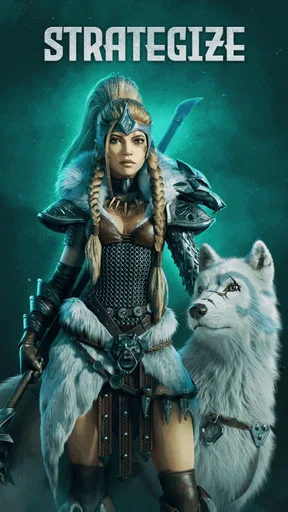
Once your town is up and running, it’s time to flex those strategic muscles. Battles in Vikings: War of Clans are a mix of planning and brute force. You’ll need to scout enemies, assess their strengths and weaknesses, and deploy your troops wisely.
The game offers a variety of troops, from infantry to cavalry, each with unique attributes. I had a blast experimenting with different combinations, trying to find the perfect blend of units to crush my opponents. There’s a real sense of achievement when a well-planned attack pays off.
The Social Side of Raiding
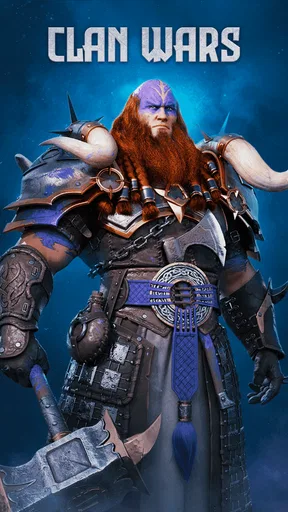
What sets this game apart from others is the emphasis on alliances and social interaction. Joining a clan is not just recommended; it’s essential. You’ll find yourself collaborating with clan members for mutual benefit, whether it’s through trading resources or teaming up for massive assaults.
The camaraderie adds a layer of depth to the game. I found myself chatting with players from around the world, sharing war stories and strategizing our next moves. It’s like being part of a global Viking family, and it definitely keeps things interesting.
Visuals and Sound: A Feast for the Senses
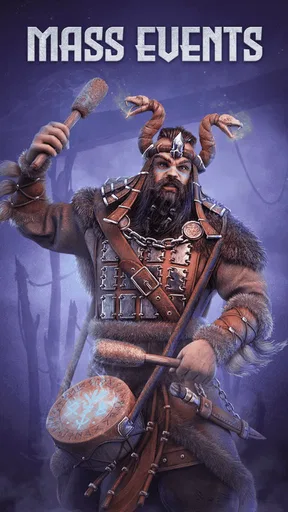
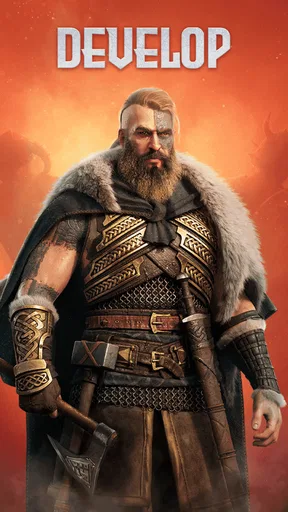
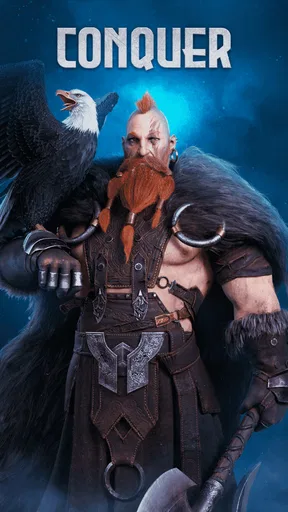
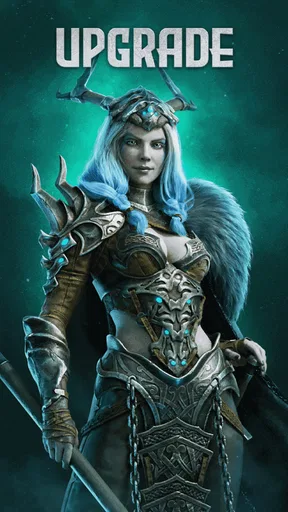
The developers have done a stellar job with the game's aesthetics. The graphics are detailed, and the animations are smooth, making the game a visual treat. From the intricacies of your town to the battlefield chaos, everything is beautifully rendered.
The sound design complements the visuals perfectly. The clashing of swords and the rallying cries of your warriors immerse you in the Viking world. I often found myself playing with headphones just to soak in the ambiance.
For a practical day-to-day example, I’d use a short visit to decide on one clear priority rather than trying to optimize the whole settlement at once. I might check which resource is holding back an upgrade, make that the focus of my next building choice, then leave the broader troop plan for a later session. That keeps the game’s many moving parts manageable. When I do have more time, I can review clan conversations and think about whether an attack makes sense instead of rushing into one because I happened to open the game.
A useful habit is to separate preparation from action. Scouting and comparing an opponent’s strengths with my own available troops gives me a reason to pause before committing. I wouldn’t treat a larger army as an automatic answer; the appeal of the battle system is partly in considering the composition and timing of an attack. The trade-off is that this kind of planning takes more patience than a strategy game where the outcome is decided in a brief, isolated match.
Choosing a pace and a clan
For a new player, I’d use the tutorial as a starting point, then take a moment to understand what each building contributes before upgrading everything in sight. The early decisions can shape how smoothly the settlement develops, so it helps to choose a practical priority: the resource or military need that is currently blocking progress. This is more useful than spreading attention evenly across every option just because it is available.
Clan participation is another choice worth making deliberately. A group can make the multiplayer world more understandable, especially when you’re still learning how its social and strategic expectations work. I’d ask myself whether I want frequent coordination or a lighter-touch community, then look for a clan that matches that preference. If interaction is the part I least enjoy, it’s worth recognizing that early rather than hoping the game will turn into a mostly solo experience.
The game’s scale also affects who will enjoy it. A player who likes returning to the same settlement and seeing it develop may find that continuity rewarding. A player who wants a complete story, a quick tactical puzzle, or a clear stopping point after each round may feel that the persistent structure keeps pulling them back. Neither preference is wrong; they simply point toward different kinds of strategy games.
How it sits beside other strategy games
Compared with turn-based tactics games, where each battle is a contained problem and a match ends cleanly, this is more about managing an ongoing base and relationships with other players. Compared with single-player empire builders, its clan emphasis makes coordination a meaningful part of the appeal. That difference is also its main limitation: the social world can add energy and shared purpose, but it may not suit someone who wants every outcome to depend only on their own decisions.
I’d choose it over a standalone puzzle-style strategy game when I’m in the mood to develop a town over time and take part in a wider player community. I’d choose the standalone option instead when I want something that can be paused and put aside without considering other people’s plans. In other words, the best alternative depends less on the Viking setting than on whether I want persistent multiplayer involvement or a self-contained session.
Practical details before you begin
Plarium LLC developed this strategy game, which first appeared on August 10, 2015. Its current version is 6.9.3.1114, and it requires Android 7.0 or later. It is free to play, carries a Teen age rating, and has optional purchases priced from $0.99 to $199.99 per item. I’d check that my device meets the operating-system requirement and decide on a spending boundary before starting, especially if I plan to explore the purchase options.
The game has a 4.4 average from around one million ratings, with about forty thousand written reviews, and it has passed ten million installs. Those figures suggest a large audience, but popularity alone can’t tell me whether its pace or clan culture will suit me. I’d use the free access to answer those personal questions first. For me, the best value comes from enjoying the planning and community enough that I want to return, not from buying something before I know what I like.
Final Thoughts
All in all, Vikings: War of Clans is a compelling blend of strategy and social interaction. It’s a game that demands your attention, but rewards you with an engaging experience. Whether you’re a seasoned strategist or new to the genre, there’s something here for everyone.
So, if you’re in the mood for some epic Viking battles and empire-building, give it a shot. Just be prepared to lose track of time as you get lost in the world of Vikings.
My recommendation is to try it without spending, give yourself time to learn the town and troop decisions, and see whether clan play feels enjoyable rather than compulsory. The free starting point makes that test straightforward, while the broad optional purchase range is a reason to be intentional if you decide to pay. I’d skip it if persistent multiplayer pressure is exactly what I want to avoid; if I’m happy to build gradually and plan around other players, it’s an easy one to sample.
Verdict
Strengths of Vikings: War of Clans PvP
- Immersive graphics enhance gameplay.
- Strategic depth with complex alliances.
- Regular updates add fresh content.
- Engaging PvP battles keep excitement high.
- Active community for social interaction.
Limitations of Vikings: War of Clans PvP
- Steep learning curve for new players.
- In-app purchases can be costly.
- Requires constant internet connection.
- Time-consuming for competitive play.
- Resource management can feel tedious.
Similar Picks in This Category
View All
Clash of Clans
Supercell4.5

Plants vs. Zombies™
ELECTRONIC ARTS3.7

Lords Mobile: Kingdom Wars
IGG.COM4.5

Clash Royale
Supercell4.4

State.io — Conquer the World
CASUAL AZUR GAMES4.1

Car Driving School : Car Games
Spark Game Studios3.9
Frequently Asked Questions
What is Vikings: War of Clans PvP about?
Vikings: War of Clans is a strategy-based multiplayer game where players build their own Viking empire. You engage in battles, form alliances, and manage resources to expand your territory. The PvP aspect allows you to compete against other players worldwide, making strategic decisions essential for success.
Is Vikings: War of Clans PvP free to play?
Yes, Vikings: War of Clans is free to download and play. However, it offers in-app purchases that can enhance your gaming experience. These purchases can expedite progress or provide special items, but they are entirely optional. Players can succeed without spending money by investing time and strategizing effectively.
What platforms is Vikings: War of Clans PvP available on?
Vikings: War of Clans is available on both Android and iOS devices. You can download it from the Google Play Store for Android or the Apple App Store for iOS. It’s optimized for mobile gameplay, ensuring a seamless experience across different devices.
How does the PvP feature work in Vikings: War of Clans?
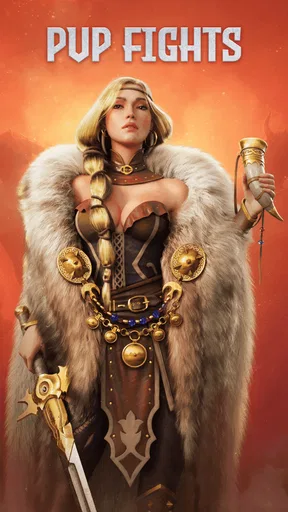
The PvP feature in Vikings: War of Clans allows you to battle against other players in real-time. You can raid their towns, defend your own, and form alliances to strengthen your position. Strategic planning and collaboration with other players are crucial to conquering and defending territories.
Are there any tips for new players starting Vikings: War of Clans?
New players should focus on building a strong base and managing resources efficiently. Joining a clan can provide valuable support and protection. Regularly participating in events and missions can help you gain experience and resources. It's important to plan your upgrades and expansions strategically to progress effectively.
Play our best games!


